
"Caturra Bolivia"
90 article(s) found

Flavor description of Bolivian Rosa Coffee Bean Story of Bolivian Rosa Variety producing area
The early Bolivian coffee was of low quality and the market was very poor. Usually the picked coffee fruit is bumped all the way to the processing plant after a simple peeling treatment. Due to the imperfect infrastructure, the traffic is underdeveloped. Coffee farmers have to overcome the rugged mountain road and transport the beans to the higher altitude area of La Paz for washing. If the coffee fruit can not be delivered to the processing in time

A brief introduction to the cultivation of Fine Coffee beans in Xuemai Manor with full Flavor, Geographic location, Climate and altitude
Bolivia is 1/3 of the Andean mountains, rugged terrain, mainly road transport, accounting for more than 85% of transportation. The main railway and road networks are concentrated in the west, and remote areas rely on air communication. But road coverage is the lowest in South America. And there is also the Ronggas Highway, the world's first insurance road known as the road to death. There is no developed economy here. It is the poorest in South America.

Introduction to the characteristics of Bolivian Coffee Flavor Manor with medium and low acidity
Arabica coffee cannot be grown in cold places above 2000 meters above sea level. if the altitude is too high, coffee trees will frost because the temperature is too low. So Bolivian coffee is mainly grown in the Yungas region northeast of La Paz. It borders the Amazon basin and is about 1500-2500 meters above sea level with an average annual temperature of about 10-15 ℃. Therefore, it ensures the growth of coffee.

A brief introduction to the origin, development, history and culture of high-quality Xuemai Manor boutique coffee beans
The early Bolivian coffee was of low quality and the market was very poor. Usually the picked coffee fruit is bumped all the way to the processing plant after a simple peeling treatment. Due to the imperfect infrastructure, the traffic is underdeveloped. Coffee farmers have to overcome the rugged mountain road and transport the beans to the higher altitude area of La Paz for washing. If the coffee fruit can not be delivered to the processing in time

A brief introduction to the treatment method of grinding degree and baking degree of fine coffee beans in Xuemai Manor with rich and unique aroma.
We know that Arabica coffee cannot be grown in cold places above 2000 meters above sea level. if the altitude is too high, coffee trees will frost because the temperature is too low. So Bolivian coffee is mainly grown in the Yungas region northeast of La Paz. It borders the Amazon basin and is about 1500-2500 meters above sea level with an average annual temperature of about 10-15 ℃. Therefore, guarantee

Bolivian Coffee Manor, Mutomandra Manor, pray Coffee Manor, Alpaca Manor, etc.
Bolivia is a dark horse producing area of boutique coffee in recent years, located in various estates in South America with high altitude and complex terrain, with different characteristics. Today we are going to introduce the special coffee bean treatment methods of five estates and Bolivia. Who is Don Carlos at Don Carlos Coffee Manor? He is a veteran employee of Pedro and an expert in coffee bean handling. Pedro Company is

History of Cocoa Solar Kaddura Coffee beans grown in Alachita Manor, Bolivia
Professional coffee knowledge exchange more coffee bean information please follow the coffee workshop (Wechat official account cafe_style) newly imported beans-- Bolivian coffee beans from South America have the natural superior environment of the Amazon rainforest 90% of them are natural organic coffee this time when I got the round beans in the Las Alasitas manor, they have a good sweetness and taste delicate and smooth.

Introduction to the sour taste of Bolivian coffee with sour fruit and the taste characteristics of varieties.
The overall taste of Bolivian coffee is rich and balanced, the aroma is rich and unique, similar to the mixture of flower and fruit aroma, impressive. The perennial low temperature environment makes the coffee fruit grow slowly, compact enough, the aroma is also charming, the floral aroma is obvious, the acidity is medium and low, but the feeling is not monotonous, on the contrary, it appears soft and fresh, with the sour taste of citrus fruits in the early days.

Introduction to the treatment method of planting and Development History of Bolivian Coffee single Bean Flavor description
For professional baristas, please follow Coffee Workshop (Wechat cafe_style) BOLIVIA Bolivian population: 10461000 coffee-growing areas in Bolivia have never been significantly drawn, which is why different bakers use different naming conventions to describe different sources of coffee beans. YUNGAS about 95% of Bolivian coffee is produced here.
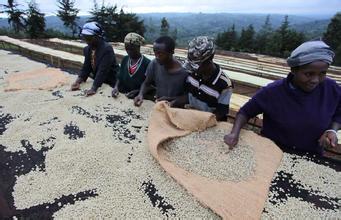
Boutique coffee beans: Caturra Varietal of coffee varieties
Variety: Caturra relatives: red bourbon found area: Brazil growth altitude: 800m type: variety (bourbon) more common: Brazil / Costa Rica / Colombia mature color: Red fruit size: common leaf characteristics: wide, short (Like Bourbon) simple description originated from Brazil, but the planting area at that time was not as large as it is now. Now C
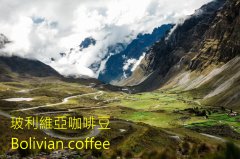
The Soul of Andes from the Roof of the World description of the flavor and flavor of Bolivian coffee beans
For the exchange of professional baristas, please follow the coffee workshop (Wechat official account cafe_style) the Soul of Andes from the roof of the world Bolivia ◇ Yungas Caranavi Bolinda Finca Don Carlos Peaberry Yonggas Karana than Don Carlos Manor perfume Queen Pearl beans 1600-1650m Bolivia Don Carlos Manor Perfume Queen Pearl Round Bean Coffee

Bolivian Yonggas Koraca Association small Farmer Coffee beans _ Bolivian Sun Project Coffee
Professional coffee knowledge exchange more coffee bean information please follow Coffee Workshop (Wechat official account cafe_style) Bolivian Coffee-tomorrow Sun Project Yungas South Yonggas Illupana District Koraca Association small Farmers 1650-1950m Bolivia Sol de Manana Sud Yongas Irupana Coraca 1650-1950m Flavor: dry aroma mixed with orange and plum aroma

Why does Bolivian coffee produce so little? Bolivian coffee bean flavor story
Professional coffee knowledge exchange more information about coffee beans Please follow the coffee workshop (Wechat official account cafe_style) if you want to talk about the paradise of coffee bean growth, it is Bolivia. This producing area can be regarded as one of the most recommended boutique coffee producing areas. Most of the coffee beans in this producing area are a little sweet and very pleasing, but the number of coffee beans is very small.

Faye Butterfly Manor, Santa Cruz, Bolivia-Bolivian coffee from the roof of the world
For the exchange of professional baristas, please pay attention to the coffee workshop (official Wechat account cafe_style) delicious coffee that can only be tasted through the world's most dangerous roads Bolivia is one of the five most diverse countries in the world, with a landlocked country surrounded by and deeply affected by five countries, with a population of more than 1000, and the Indian aborigines, which account for about 60% of the total population, are divided into 36 peoples.

What are the main flavor characteristics of Bolivian coffee beans
Professional coffee knowledge exchange more information about coffee beans Please follow the coffee workshop (Wechat official account cafe_style) if you want to talk about the paradise where coffee beans grow, it is not a paradise. This region can be regarded as one of the most popular boutique coffee producing areas. Most of the coffee beans in this area are sweet and very popular, but the quantity of coffee beans is very small.

How does Bolivian coffee compare with Latin American countries?
Following Cafe Review (Wechat official account vdailycom) found that Beautiful Cafe opened a small shop of its own. How does Bolivian coffee compare to Latin American countries? This problem is not only related to the soil, planting height, bean seeds and the technology of farmers, but also has a decisive impact on the importance of national exports and the support of the local government. Coffee, in Bolivie.

Cajamarca, Peru Location Elevation Climate Coffee Growing Conditions
Professional coffee knowledge exchange More coffee bean information Please pay attention to coffee workshop (Weixin Official Accounts cafe_style) Peru is located in the west of South America, facing the Pacific Ocean in the west, bordering Brazil, Colombia and Bolivia, several well-known coffee-producing countries in South America. The Andes Mountains run through the north and south. The geographical environment and climate influence of diversified producing areas produce many different kinds of coffee. do

Details of coffee varieties and relationships between coffee species
Professional barista exchanges, please pay attention to coffee workshop (Weixin Official Accounts cafe_style ) Acai: rare Mundo Novo mutation mainly found in Brazil. Anacafe 14: Spontaneous Catimor-Pacamara hybrid further developed and released by Anacafe in 2014. This variety is considered rust resistant and has high cup quality yield. Andong Sari: I'm sorry
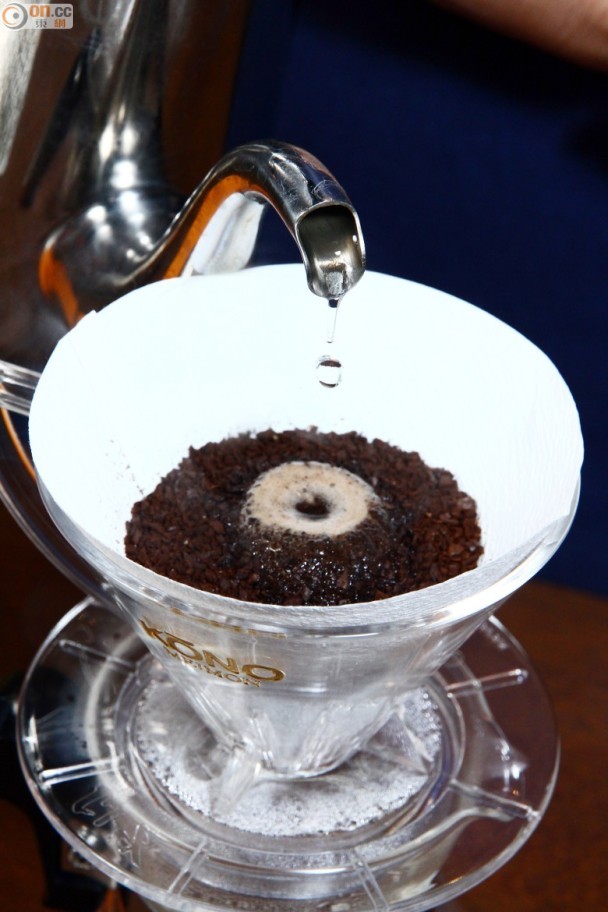
Japanese Coffee sharing skills
Hand-held coffee is the designated action of every favorite coffee fan, but how to do it there? I would like to share your information about Japanese coffee, Japanese coffee and hand skills. I hope I can give you a reference! Hong Kong shops using hand-made coffee generally have only four to five types of coffee beans from My Little Coffee:Coffeehouse Roasters in Tsim Sha Tsui.

Characteristics of flavor and taste of chocolate wine with various coffee beans in different producing areas of ten major coffee producing areas in Peru
Peru is rich in ecological diversity. From the Amazon jungle to golden beaches, from the towering Andes to one of the largest lakes in South America, it has a variety of landscapes and climates. The same is true of its coffee. Peru is the 11th largest coffee producer in the world, but it not only offers quantity, but what is more amazing is that it has ten different producing areas, each of which has